

Antalya · Mediterranean
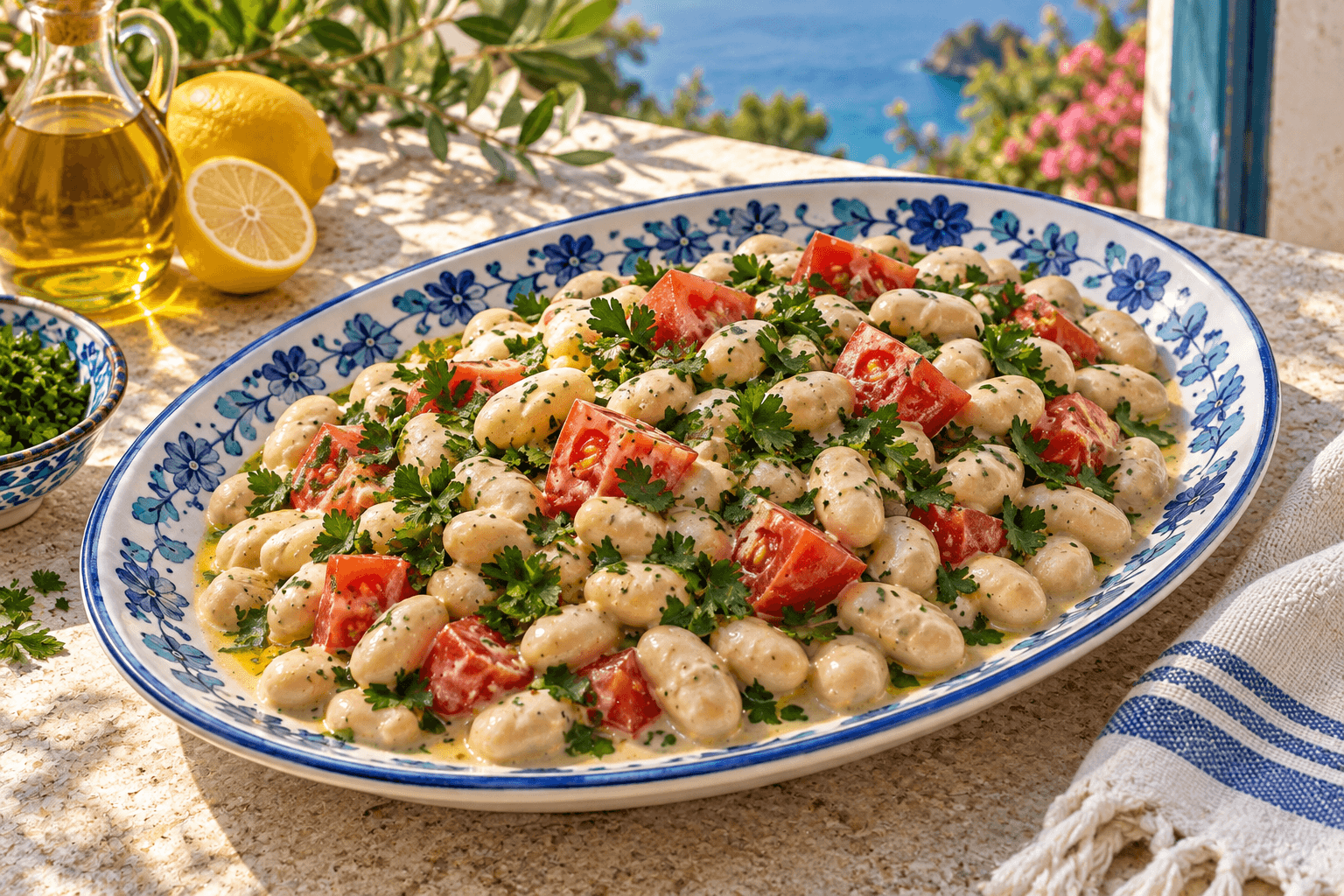
Antalya-style Tahini Piyaz
Cooked white beans with a lemon-tahini dressing, tomato and parsley. An Antalya-style home adaptation.
20 min total · Main dish · 2 servings
Season: Summer


Explore Antalya through its Mediterranean setting, Lycian heritage and distinctive tahini-dressed bean dish, piyaz.
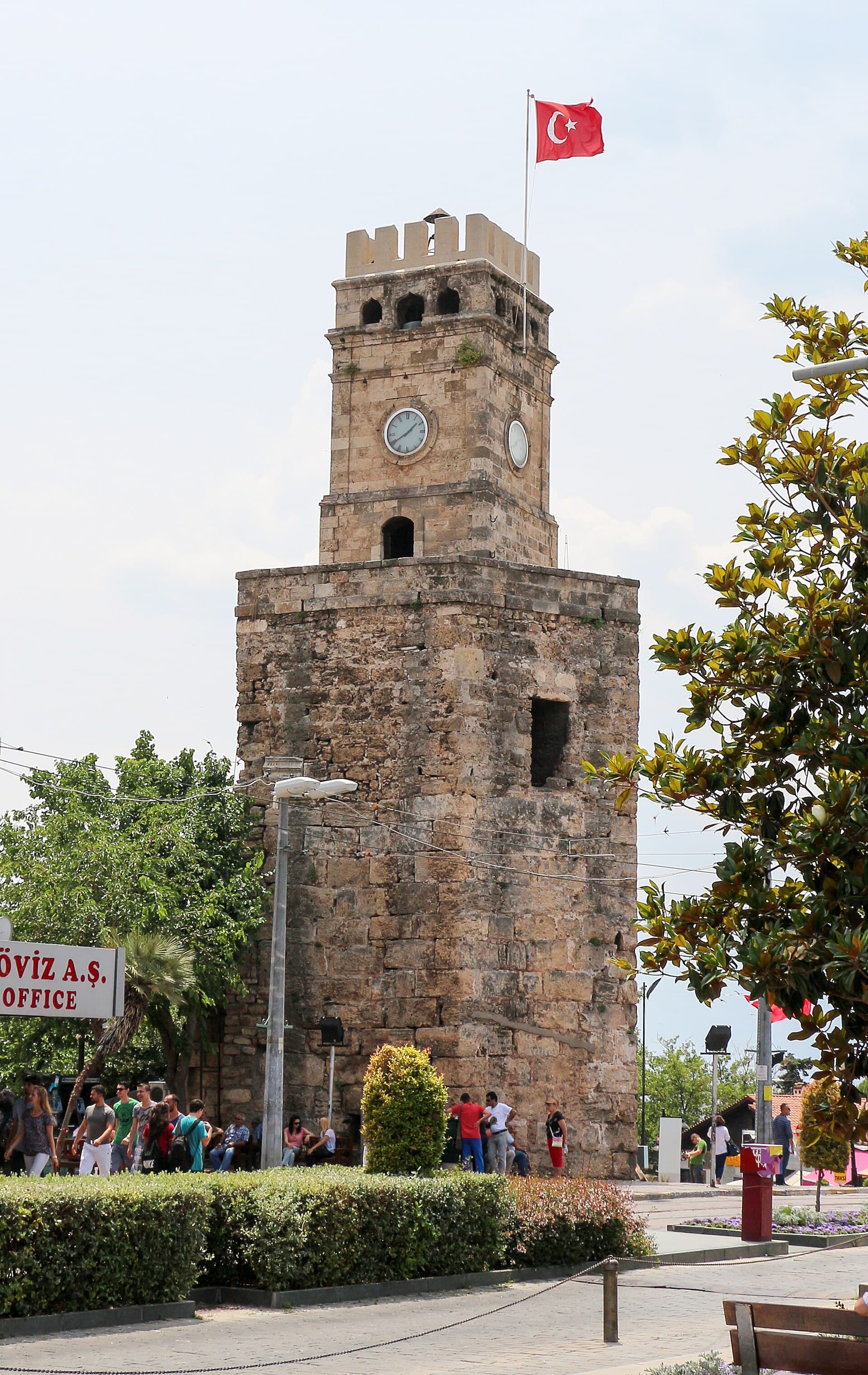
Antalya’s wider provincial landscape reaches beyond the modern coastal city. At Xanthos, in Antalya province, Lycian funerary monuments and inscriptions offer evidence of an ancient culture shaped by encounters with the Greek world. Together with nearby Letoon in Muğla, the site preserves layers of Anatolian, Greek, Roman and Byzantine history. These are regional landmarks, not monuments within Antalya city itself.
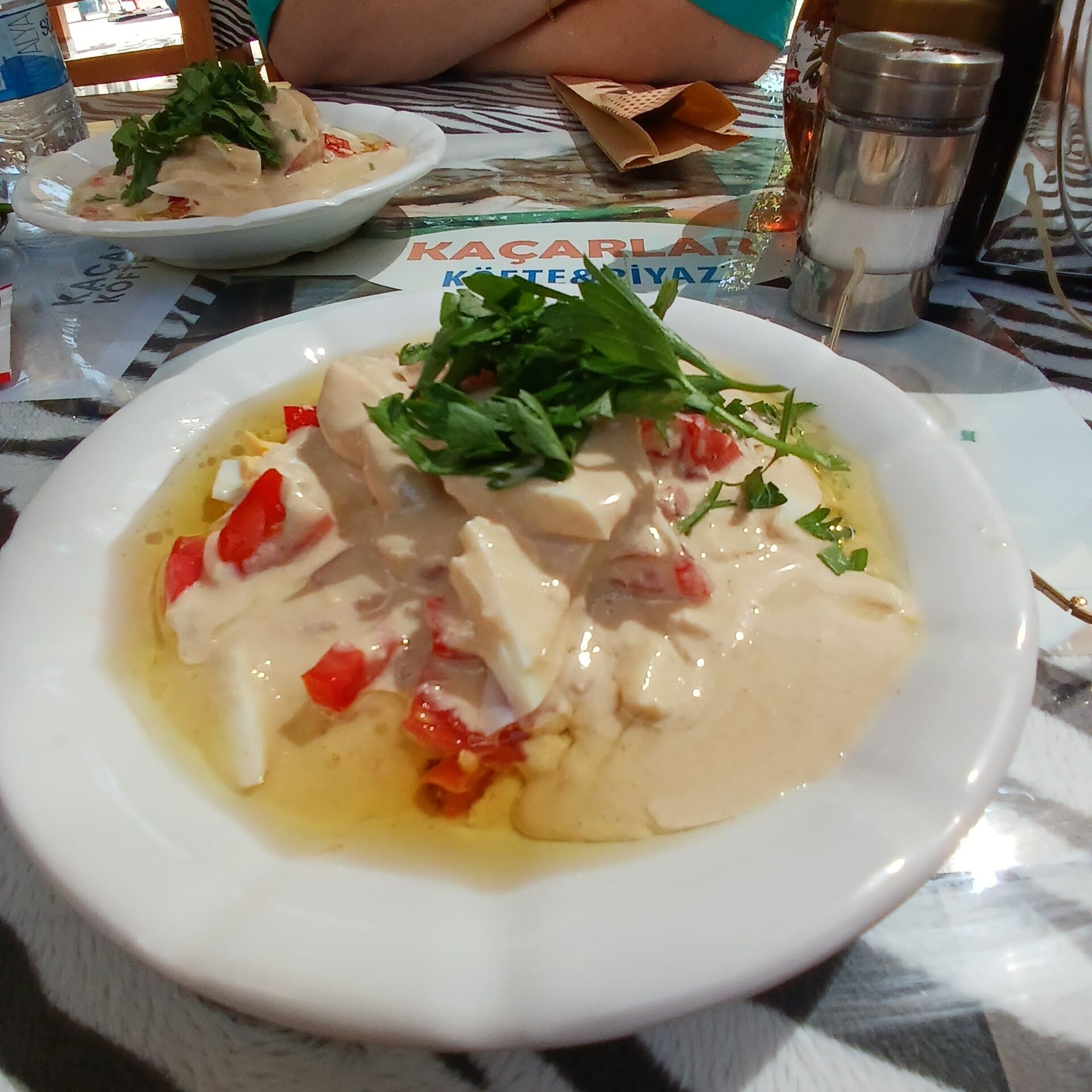
A local dish can reveal as much as a landmark. Antalya’s köfte-piyaz shops have their own approaches to tahini dressing: some emphasise sesame richness, others acidity. The Ministry of Culture describes piyaz as a main dish locally, whereas bean piyaz elsewhere is often served as a salad. That distinction is part of the experience of eating it here.
Small beans and tarator dressing distinguish Antalya piyaz. Tahini, lemon, vinegar, garlic and olive oil form its characteristic sauce. The provincial food landscape also includes citrus, goat-milk cheese and pumpkin served with tahini and walnuts. These examples describe a local repertoire rather than a single menu shared by every household.
Our Antalya-style piyaz is connected to this documented local tradition. It is an adaptation for the home kitchen, not a claim to reproduce every shop’s recipe or satisfy a protected product specification. Follow the recipe’s own ingredient notes and sources.
Antalya’s tahini-tarator bean dish, local serving customs and differences between preparations.
Lycian heritage across Antalya and Muğla; inscriptions, funerary architecture and successive cultural influences.
Vegetables, legumes, olive oil, Antalya citrus and regional differences along the Mediterranean coast.
Antalya · Mediterranean
Cooked white beans with a lemon-tahini dressing, tomato and parsley. An Antalya-style home adaptation.
20 min total · Main dish · 2 servings
Season: Summer